
Compare Lucy
Honest, feature-by-feature comparisons. See how Lucy stacks up against other translation and travel apps.
Head-to-Head Comparisons
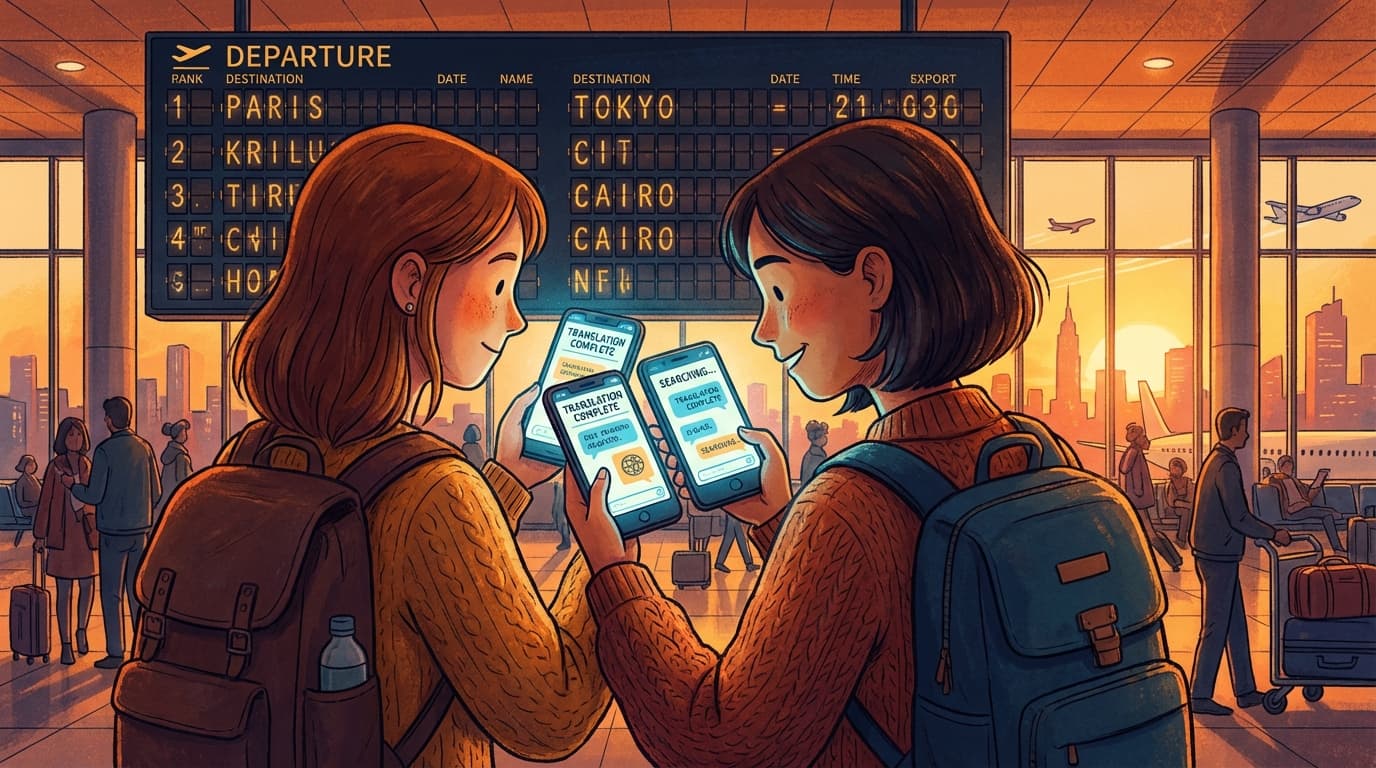
Lucy vs Apple Translate for Travel
Apple Translate comes pre-installed on every iPhone, offering seamless integration with iOS. It's private, fast, and processes translations on-device. But Apple built a general translation tool, not a travel companion. Here's how it compares to Lucy for real-world travel situations.
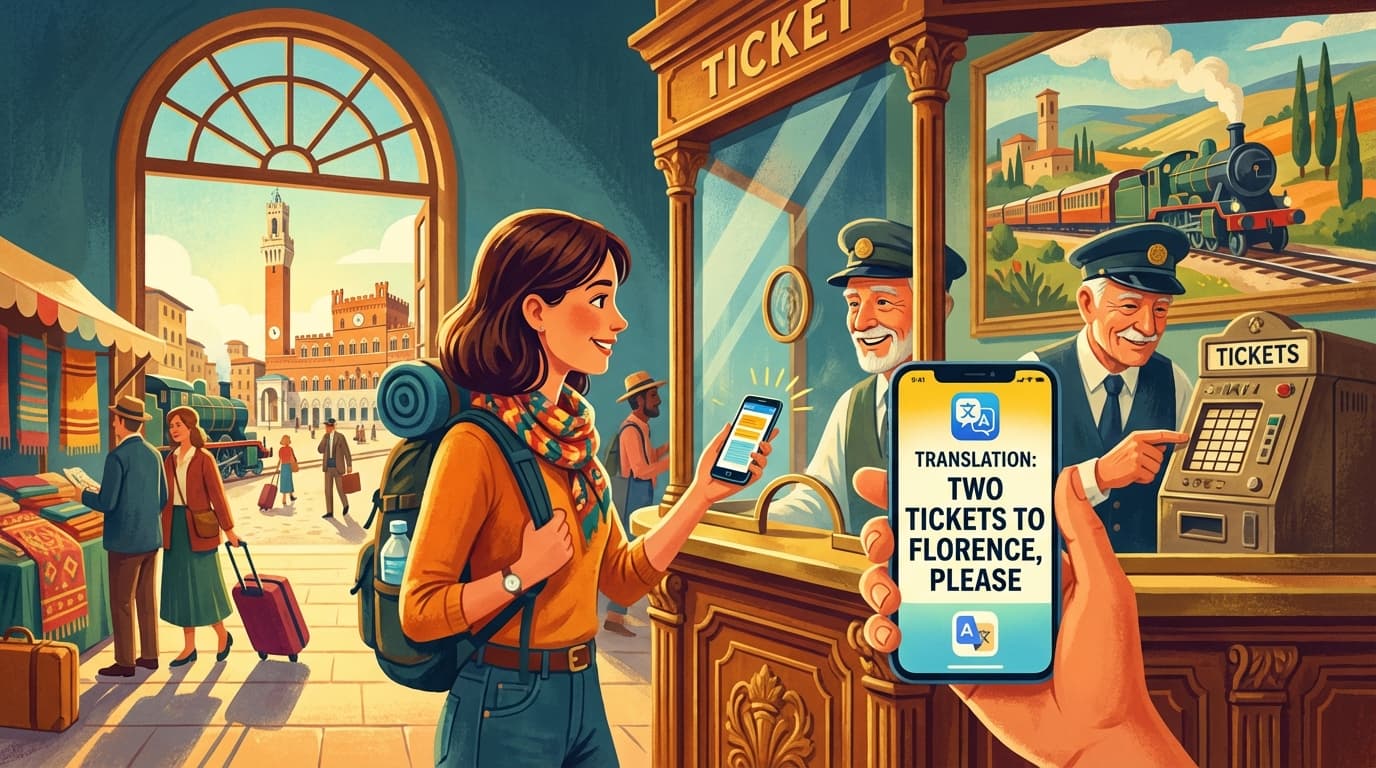
Lucy vs DeepL for Travel Translation
DeepL is widely regarded as the most accurate general-purpose translator available, producing translations that sound natural and fluent. Professional translators and businesses rely on DeepL for document translation. But does superior linguistic accuracy make DeepL the best choice for travellers? We compare DeepL with Lucy to find out.

Lucy vs Google Translate for French
French cuisine is the foundation of Western culinary tradition, with a vocabulary of cooking techniques, sauces, and preparations that has been adopted worldwide. French menus — from Michelin-starred restaurants to neighbourhood bistros — use terminology that even fluent French speakers sometimes struggle with. Google Translate handles conversational French well, but French gastronomy requires a deeper kind of translation.

Lucy vs Google Translate for Greek
Greek is one of the oldest written languages still in use, with its own alphabet that many travellers can't read at all. Greek taverna menus — especially on the islands and in smaller towns — are often handwritten in Greek only, featuring regional dishes that vary from island to island. From Santorini's fava to Crete's dakos, Greek food demands more than a dictionary translation.

Lucy vs Google Translate for Italian
Italy is the world's most popular food destination, and Italian menus are filled with regional dishes that vary dramatically from north to south. A Roman trattoria menu reads nothing like a Sicilian one. Handwritten daily specials, dialect words, and centuries-old dish names make literal translation inadequate. Here's how Lucy compares to Google Translate for the Italian dining experience.

Lucy vs Google Translate for Japanese
Japanese is one of the most challenging languages for travellers, with three writing systems — kanji, hiragana, and katakana — plus an entirely different sentence structure from English. From handwritten izakaya menus to the elaborate kaiseki course names at traditional restaurants, Japan's food culture demands more than literal translation. Here's how Lucy and Google Translate compare for Japanese travel.

Lucy vs Google Translate for Korean
Korean uses Hangul — a phonetic alphabet designed to be logical and learnable, yet still foreign to most Western travellers. Korean food culture is one of the world's most vibrant, from BBQ restaurants to pojangmacha street food tents to the elaborate banchan side dishes that accompany every meal. Google Translate handles Hangul adequately, but Korean food terminology and the unique dining customs require contextual intelligence.

Lucy vs Google Translate for Mandarin Chinese
Mandarin Chinese uses thousands of characters with no phonetic clues for English speakers, making restaurant menus in China completely opaque without a translation tool. Chinese cuisine is extraordinarily diverse — Sichuan, Cantonese, Shanghainese, Hunan, and dozens more regional styles each have unique dishes and preparation methods. Google Translate has improved dramatically for Chinese, but food-specific translation remains a major gap.

Lucy vs Google Translate for Portuguese
Portuguese is spoken in two major culinary worlds — Portugal and Brazil — with food cultures as different as the Atlantic that separates them. Portugal's seafood-heavy cuisine, with its bacalhau traditions and petisco culture, is worlds apart from Brazil's churrascarias and tropical flavours. Google Translate handles Portuguese text well, but the regional food vocabulary demands contextual understanding that literal translation cannot provide.
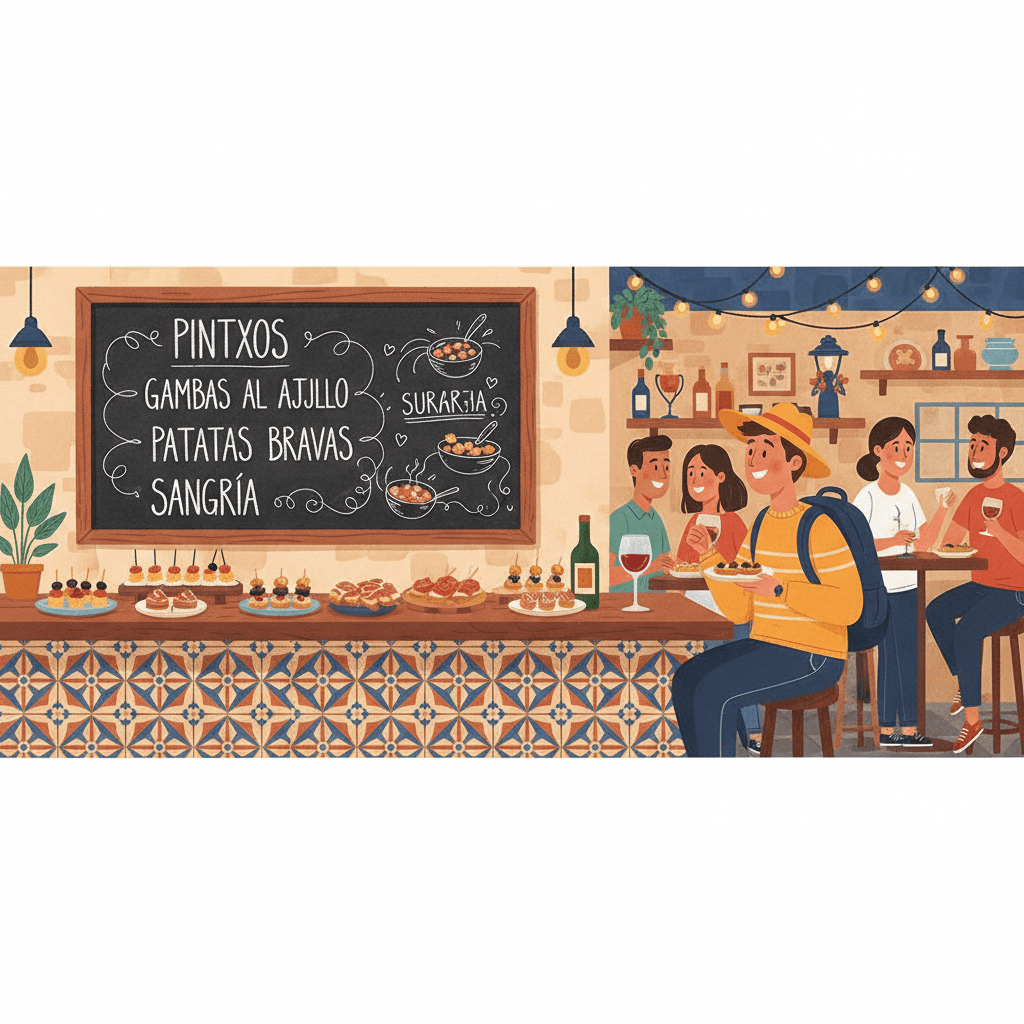
Lucy vs Google Translate for Spanish
Spanish is spoken across more than 20 countries, and the food culture varies enormously — from tapas bars in Seville to ceviches in Lima to taquerias in Mexico City. Regional vocabulary, slang, and dish names change dramatically between Spain and Latin America. Google Translate handles standard Spanish well, but the regional food vocabulary that travellers actually encounter requires deeper understanding.

Lucy vs Google Translate for Thai
Thai script is one of the most visually complex writing systems travellers encounter — 44 consonants, 15 vowel symbols, and 4 tone marks combine into flowing characters with no spaces between words. Thailand's legendary street food culture means menus are often hand-painted signs or laminated sheets with Thai-only text. Google Translate has improved for Thai, but the script's complexity and Thailand's diverse food vocabulary push general translators to their limits.

Lucy vs Google Translate for Travel
Google Translate is the world's most popular translation app, supporting 130+ languages with text, voice, and camera translation. But is a general-purpose translator the best choice for travel? We compare Google Translate with Ask Lucy — a translation app built specifically for travellers — to help you decide which belongs on your phone for your next trip.
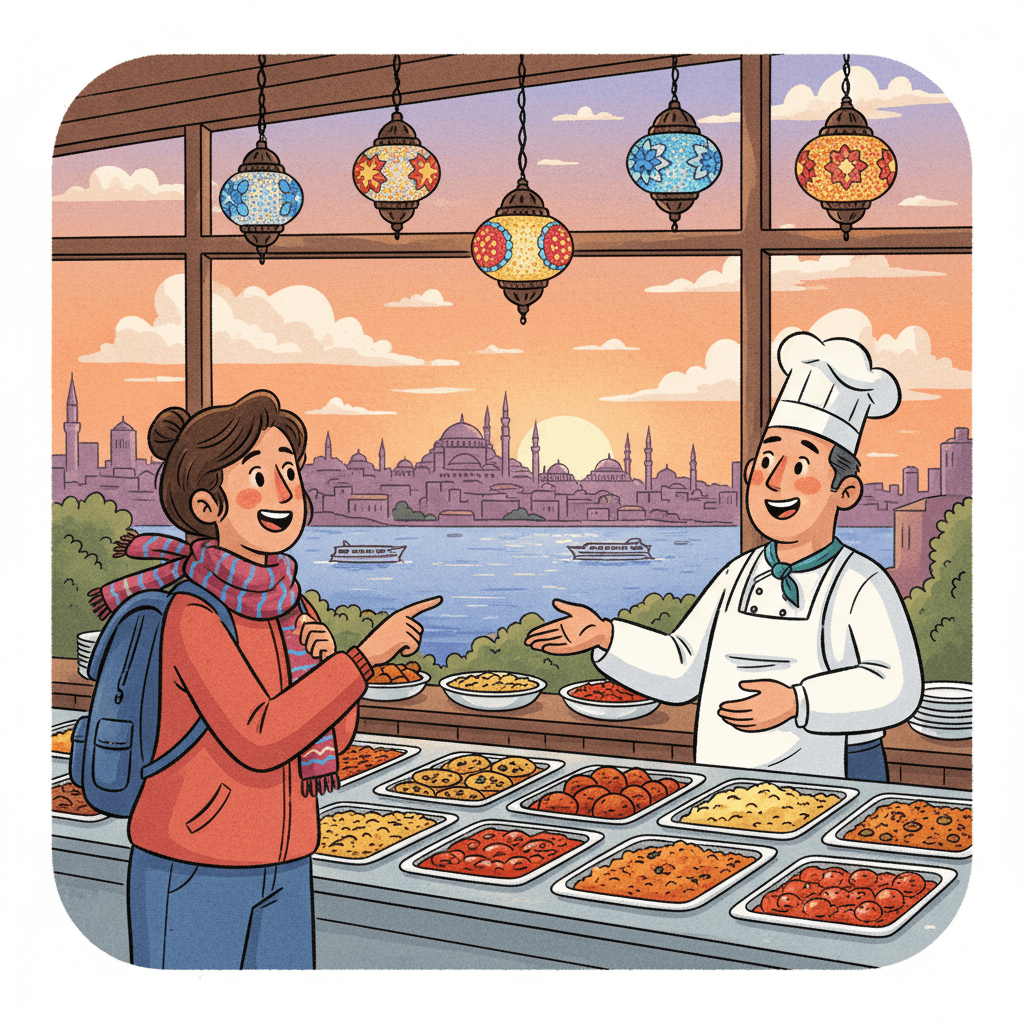
Lucy vs Google Translate for Turkish
Turkish cuisine sits at the crossroads of Mediterranean, Middle Eastern, and Central Asian food traditions, creating a uniquely complex culinary vocabulary. From Istanbul's historic lokantas to the kebab variations of southeastern Turkey to the Black Sea region's anchovy-obsessed cuisine, Turkish food is deeply regional. Google Translate handles Turkish text reasonably well, but the food-specific vocabulary and Turkey's rich dining culture require much deeper translation.
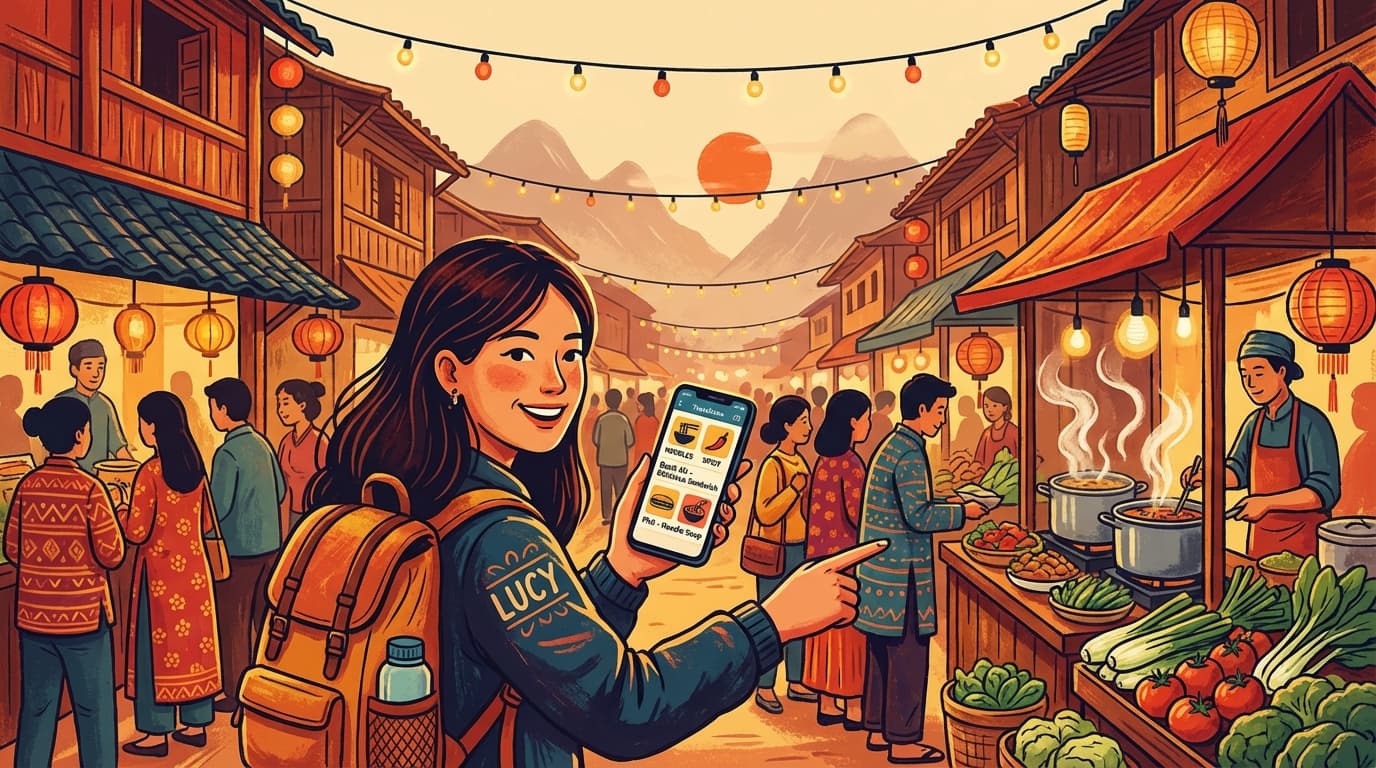
Lucy vs Microsoft Translator
Microsoft Translator is a powerful, free translation app with a standout feature: multi-person conversation mode that lets groups communicate across languages in real time. It's deeply integrated with the Microsoft ecosystem and supports 120+ languages. How does it compare to Lucy for travel?

Lucy vs Papago for Asian Language Translation
Papago (by Naver, Korea's leading tech company) is widely considered the best translator for Korean, Japanese, and Chinese. It outperforms Google Translate for these languages and is the go-to app for travellers visiting East Asia. How does it compare to Lucy for Asian travel?
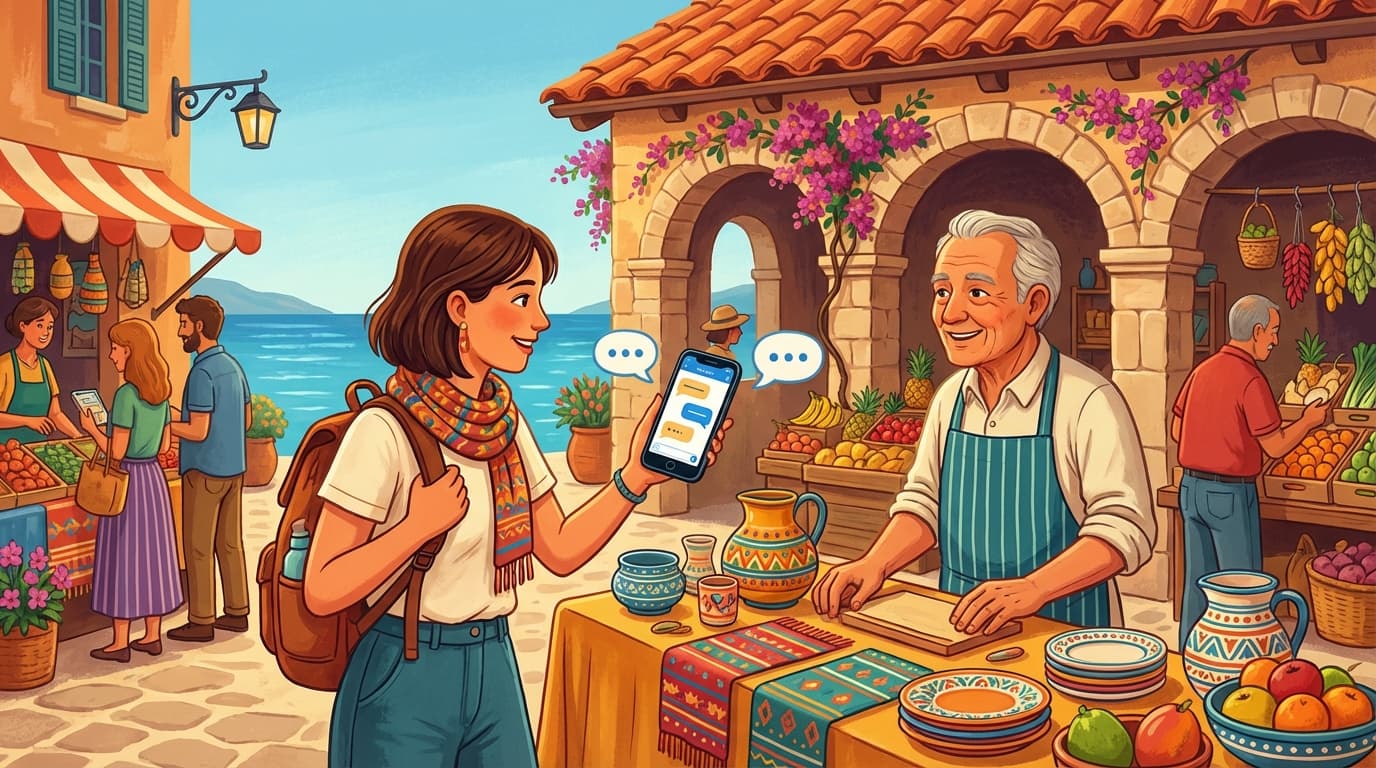
Lucy vs SayHi Translation App
SayHi (by Amazon) is a voice-first translation app that excels at real-time spoken conversation. Speak in your language, and SayHi translates and speaks the result aloud — making it feel like having an interpreter in your pocket. How does this voice-focused approach compare to Lucy's visual, food-focused translation?

Lucy vs TripLingo for Travel Phrases
TripLingo is one of the few translation apps actually designed for travellers, offering phrasebooks, cultural tips, a voice translator, and even a safety tools section. It's the closest direct competitor to Lucy's travel-specific approach. Here's how the two travel translation apps compare.

Lucy vs iTranslate for Travel
iTranslate is a popular translation app with a polished interface, voice translation, and a lens feature for camera translation. It offers a freemium model with a Pro subscription. How does this established translation app compare to Lucy for real-world travel use?
Category Roundups

Best Menu Translation Apps for Food Allergies
For the 250 million people worldwide with food allergies, eating abroad is genuinely dangerous. A mistranslated menu can mean an allergic reaction far from home. We evaluated translation and allergy apps specifically for their ability to keep food-allergic travellers safe when reading foreign-language menus.
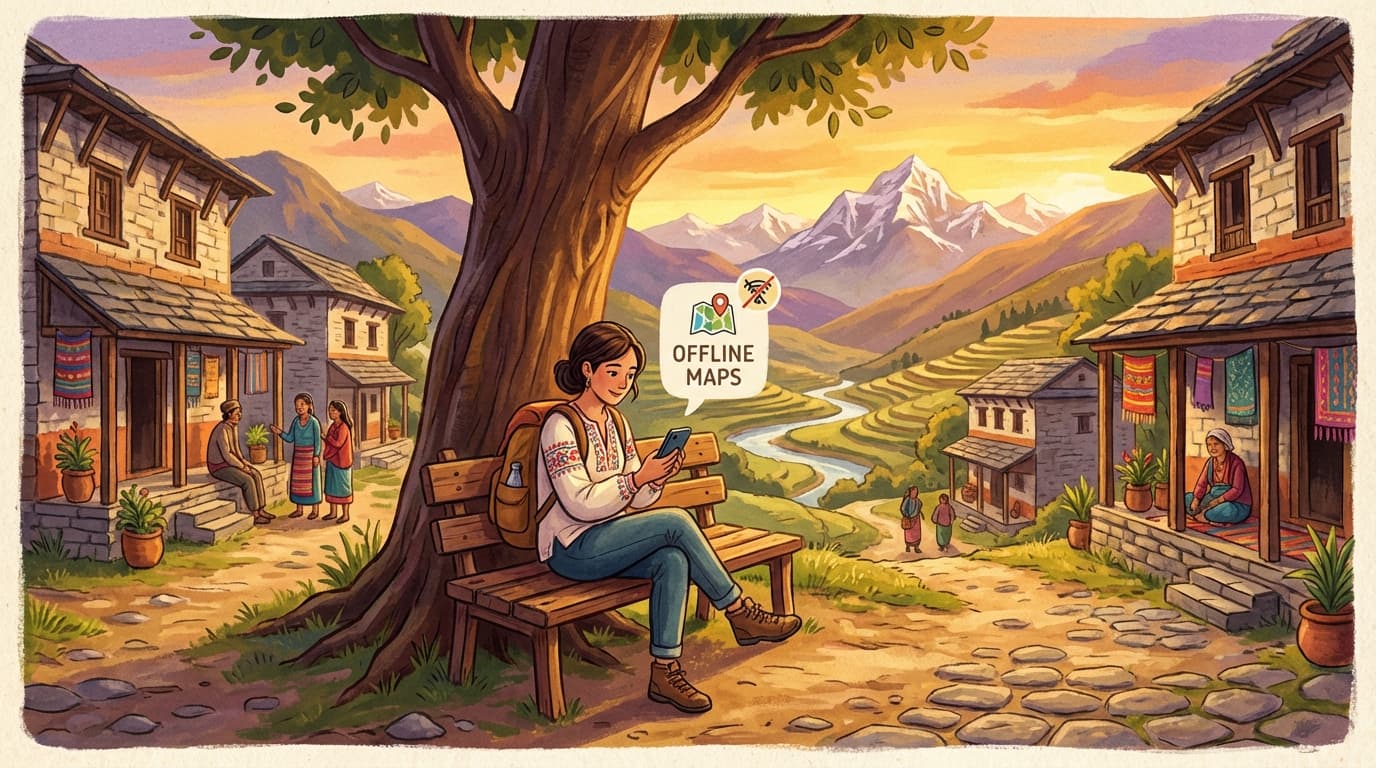
Best Offline Translation Apps for Travel
Wi-Fi on cruise ships costs $15-25 per day. Port-area cellular data is unreliable or expensive with roaming charges. Offline translation capability isn't a luxury — it's essential for cruise travellers. We tested the major translation apps' offline modes in real conditions: no Wi-Fi, no cellular data, just the app and your phone.
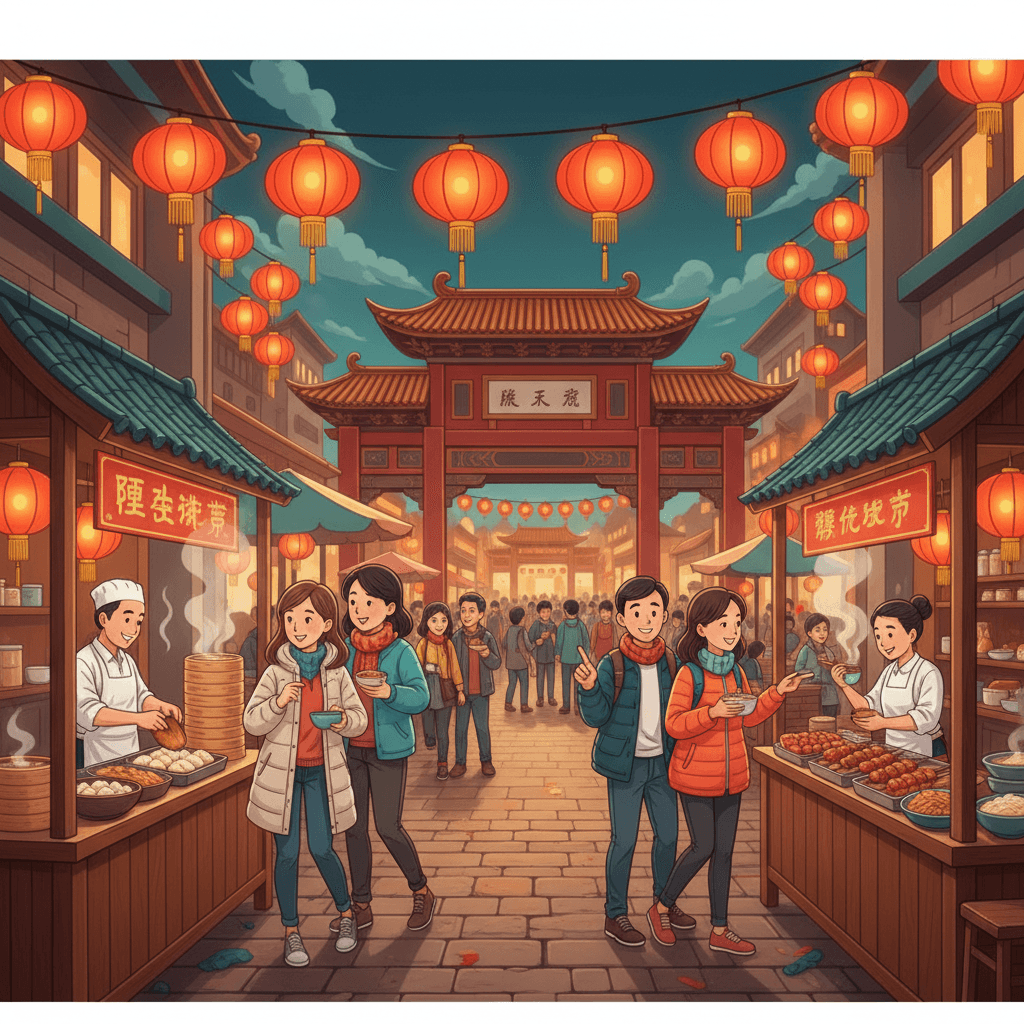
Best Translation App for China in 2026
China presents the most complex translation environment for travellers. Thousands of Chinese characters, regional dialects that are mutually unintelligible (Mandarin, Cantonese, Hokkien), handwritten restaurant menus, and the Great Firewall blocking Google services make China a country where the wrong translation app leaves you completely stranded. Preparation is essential.

Best Translation App for Croatia in 2026
Croatia has become one of the Mediterranean's hottest destinations, but Croatian is a Slavic language with Latin script — familiar-looking letters hiding unfamiliar vocabulary. 'Crni rizot' looks pronounceable but means 'black risotto' (squid ink). 'Strukli' sounds made up but is a baked cheese pastry. Dalmatian coastal cuisine, Istrian truffle dishes, and Slavonian inland cooking each have distinct vocabularies. Add cruise ship port visits to Dubrovnik and Split where dining decisions happen fast, and the right translation app matters.
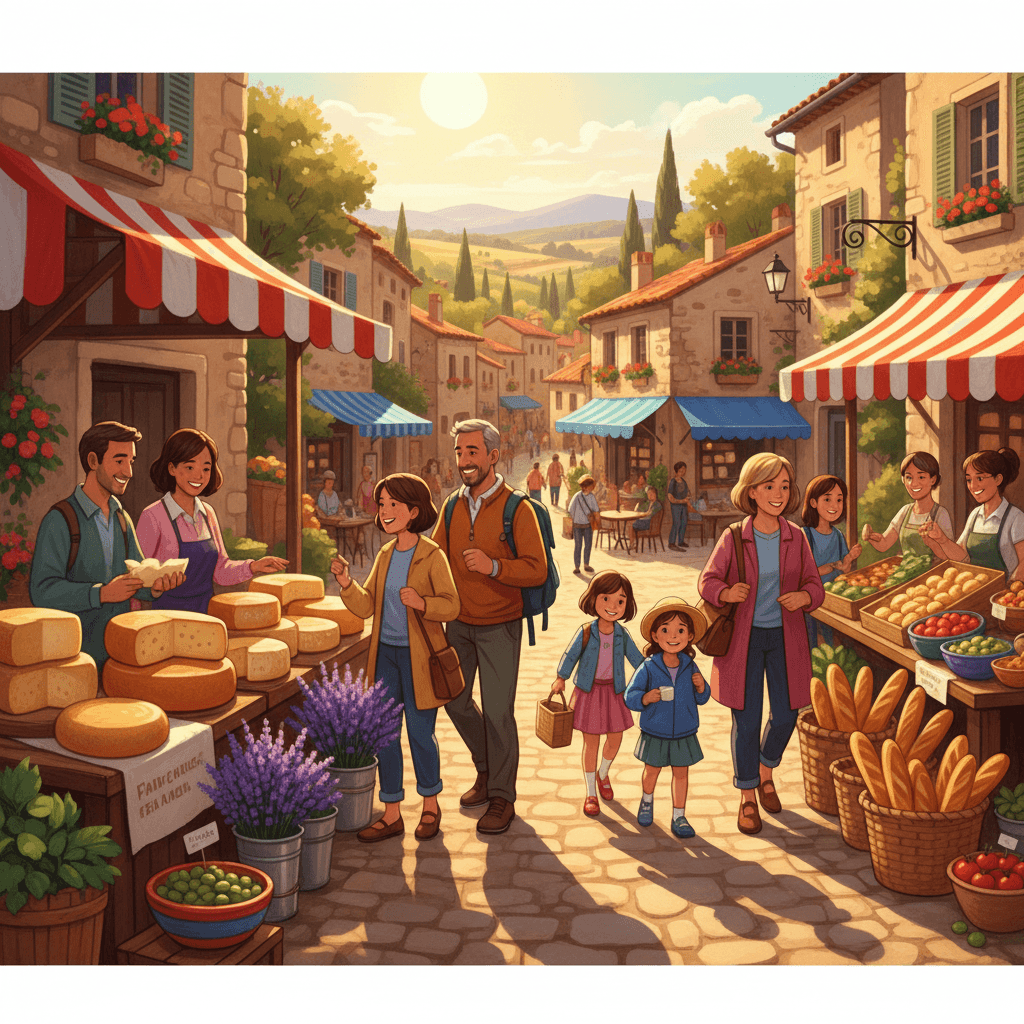
Best Translation App for France in 2026
France is the world's most visited country, but French menus remain intimidating for English speakers. Classic French culinary terms — veloute, confit, en croute, a la provencale — are a specialized vocabulary that generic translators handle poorly. Add chalkboard menus in bistros, regional specialities from Brittany to Provence, and the French expectation that you at least attempt the language, and you have a translation challenge that rewards the right app.

Best Translation App for Greece in 2026
Greece's unique alphabet — neither Latin nor Cyrillic — stops most travellers cold. Street signs, taverna menus, and ferry schedules are in Greek characters that cannot even be sounded out without help. Add handwritten mezze boards, island-specific specialities, and the Greek tradition of the waiter describing dishes verbally rather than printing them, and you need a translation app that handles both visual and culinary translation.

Best Translation App for India in 2026
India is the world's most linguistically complex country: 22 official languages, each with its own script, spoken across 28 states with distinct regional cuisines. Hindi in Devanagari script dominates the north, but Tamil in Tamil Nadu, Bengali in West Bengal, Kannada in Karnataka, and Malayalam in Kerala each use entirely different scripts. A traveller moving from Delhi to Mumbai to Kerala to Kolkata encounters four different alphabets and four different culinary traditions. No other country demands as much from a translation app.

Best Translation App for Italy in 2026
Italy is the ultimate food destination, but Italian restaurant culture can trip up English-speaking travellers. Menus in Rome differ wildly from those in Sicily. Regional dialects change dish names between cities. Handwritten specials boards in trattorias use culinary Italian that generic translators butcher. Getting the translation right in Italy is not about survival — it is about not missing the best meal of your trip.

Best Translation App for Japan in 2026
Japan is one of the most challenging countries for English-speaking travellers. Three writing systems — kanji, hiragana, and katakana — make even basic sign-reading impossible without help. Outside Tokyo's tourist hubs, English signage vanishes. Izakaya menus are handwritten in cursive Japanese, konbini labels list ingredients in dense kanji, and train station announcements fly past in rapid-fire Japanese. A translation app isn't optional here — it's survival gear.
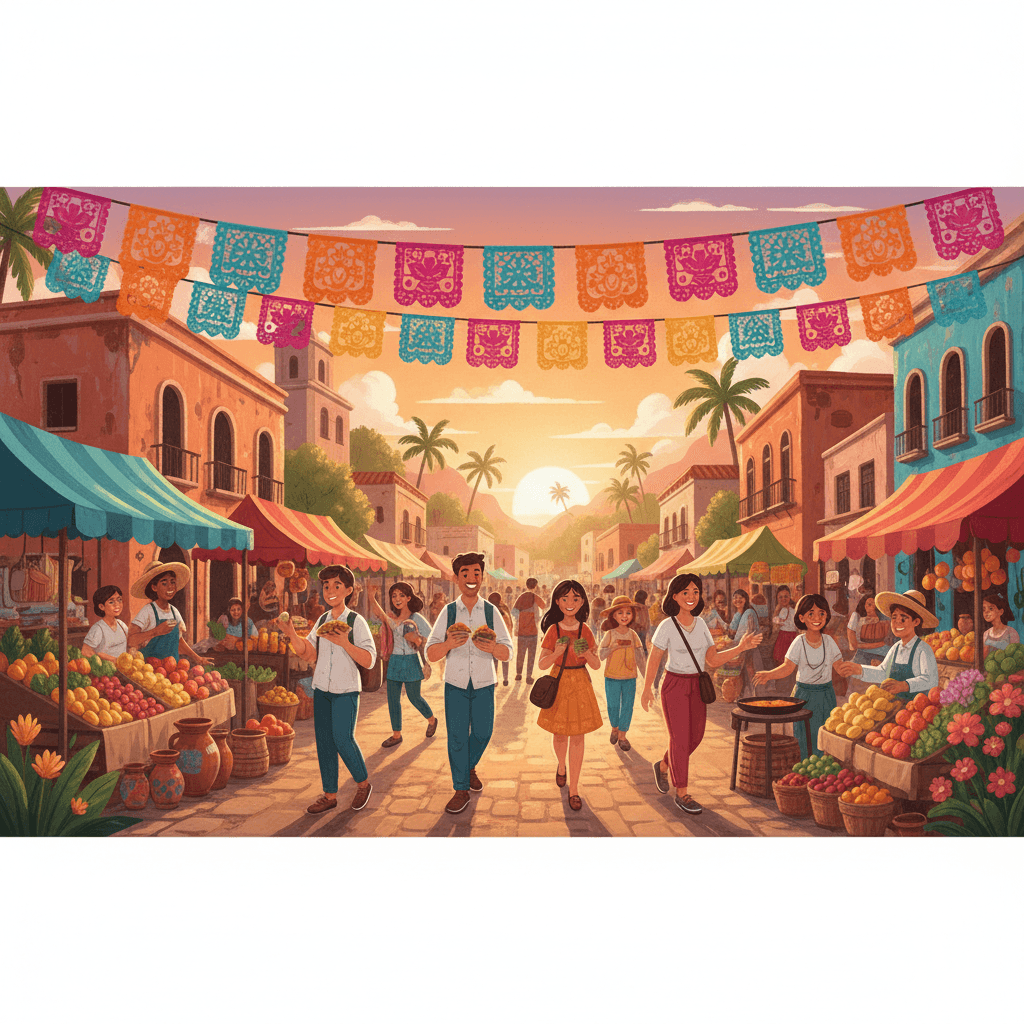
Best Translation App for Mexico in 2026
Mexico's food culture extends far beyond tacos and burritos — it is a UNESCO Intangible Cultural Heritage with ancient roots. Regional cuisines vary dramatically: Oaxacan moles with 30+ ingredients, Yucatecan cochinita pibil, Pueblan chiles en nogada, and Mexico City street food that rivals any fine dining. Mexican Spanish uses vocabulary that differs from Castilian, and indigenous ingredients (huitlacoche, epazote, chapulines) have no English equivalent. A translation app for Mexico needs food expertise, not just Spanish.

Best Translation App for Morocco in 2026
Morocco is a bilingual translation challenge: Arabic script and French coexist on signs, menus, and labels throughout the country. Medina navigation requires reading Arabic street names. Restaurant menus switch between Darija (Moroccan Arabic), French, and sometimes Berber. Souk vendors call out in multiple languages. Add the sensory overload of Marrakech's Jemaa el-Fna food square — dozens of stalls with no English signage — and Morocco demands a translation app that handles both Arabic script and French food vocabulary.

Best Translation App for Portugal in 2026
Portugal has exploded as a travel destination, but Portuguese food remains underrated and under-translated. The language looks similar to Spanish but differs substantially in pronunciation and vocabulary. Bacalhau (salt cod) appears in 365 supposed recipes. Petiscos (Portuguese tapas) fill chalkboards in tiny tascas. Port wine terminology, Alentejo cuisine, and Azorean specialities each require specific knowledge that generic translators lack.

Best Translation App for South Korea in 2026
South Korea's Hangul script is elegantly logical — designed to be learned in hours — but still foreign to most travellers. Korean BBQ menus, pojangmacha (street food tent) signs, and convenience store labels are all in Hangul. Korean dining culture has its own rules: banchan (side dishes) arrive without ordering, soju etiquette matters, and the distinction between different cuts of meat at a BBQ restaurant can make or break the meal. Translation apps need to handle both the script and the food culture.

Best Translation App for Spain in 2026
Spain's tapas culture, regional languages (Catalan, Basque, Galician), and late dining hours create a unique translation challenge. A menu in Barcelona might be in Catalan, not Spanish. A pintxos bar in San Sebastian uses Basque names. Handwritten tapas boards in Seville move fast and change daily. The right translation app turns Spain's delicious chaos into confident ordering.

Best Translation App for Thailand in 2026
Thailand's script is one of the world's most visually complex: 44 consonants, 15 vowels, 4 tone marks, and no spaces between words. Street food stall signs, pharmacy labels, and songthaew routes are written in Thai script that is completely opaque to Western eyes. Thailand's incredible street food scene — the reason many travellers visit — requires a translation app that can read Thai script and explain what you are about to eat.

Best Translation App for Turkey in 2026
Turkey bridges Europe and Asia, and its food reflects both continents. Turkish uses the Latin alphabet (since Ataturk's 1928 reform) but with letters unfamiliar to English speakers: c with cedilla, g with breve, dotted and undotted i. Turkish cuisine — kebabs, mezes, pide, borek, baklava — is a rich tradition where dish names rarely translate meaningfully. A 'kebab' in Turkey is not what you think it is, and navigating a Turkish menu requires an app that knows Turkish food.

Best Translation App for Vietnam in 2026
Vietnam uses the Latin alphabet (quoc ngu) — but with six tone marks that completely change meaning and diacritics that make words look familiar yet unreadable. 'Pho' is easy; 'bun bo Hue' and 'banh xeo' are less so. Vietnamese street food culture is among the world's best, with plastic-stool sidewalk restaurants serving one dish to perfection. Menus — when they exist — are handwritten in Vietnamese. Regional cuisine varies dramatically from Hanoi's subtle north to Ho Chi Minh City's bold south.

Best Translation Apps for Cruise Travel 2025
Cruise ships visit multiple countries in a single voyage — you might wake up in Italy, lunch in Croatia, and dine in Greece, each with a different language. Which translation app handles this multi-language, port-hopping reality best? We tested the top translation apps across real cruise scenarios: Mediterranean menus, Caribbean market haggling, Alaska port navigation, and Asian street food stalls.
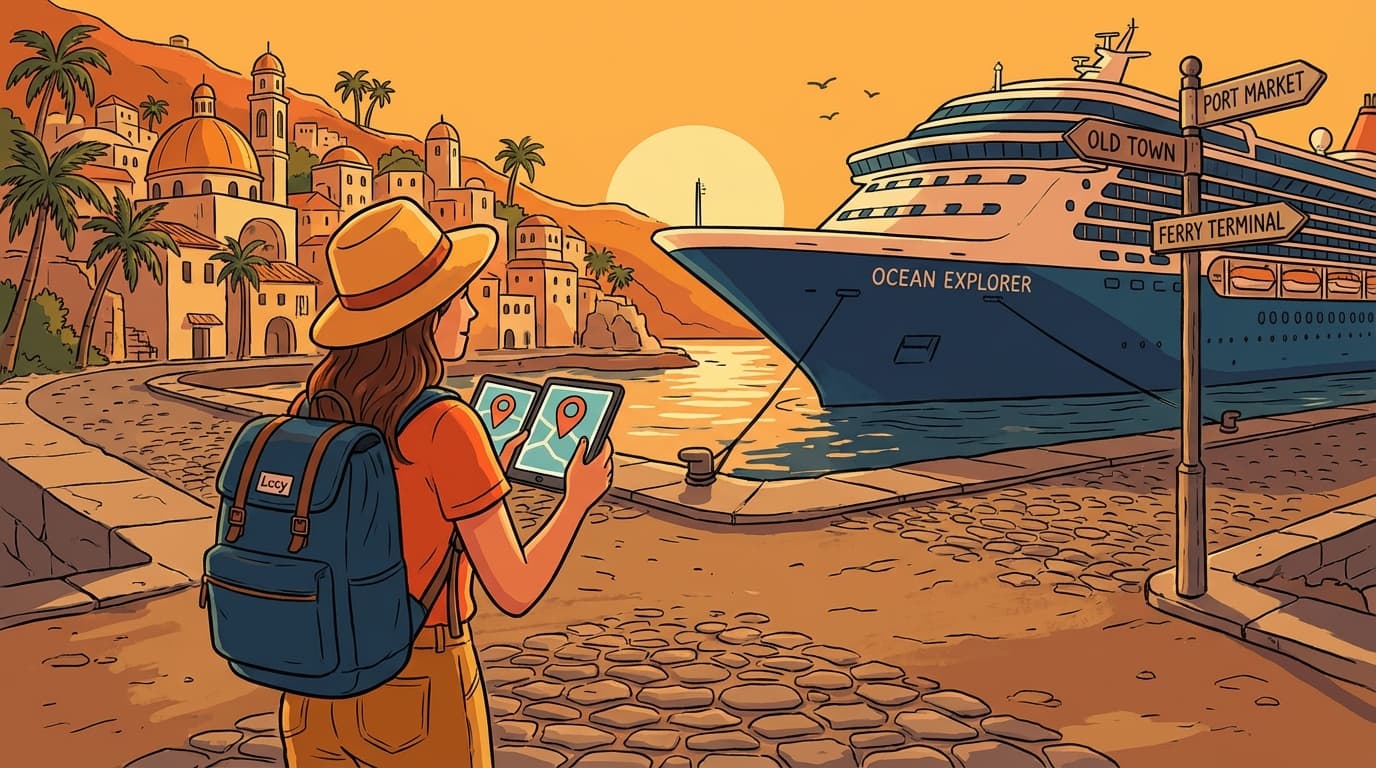
Best Travel Apps for Independent Explorers
Independent travel — skipping the guided tour, navigating on your own, finding your own restaurants — is more rewarding but requires the right tools. We evaluated translation, navigation, and travel apps for travellers who prefer to explore cruise ports, cities, and destinations independently rather than following an excursion guide with a numbered paddle.